Solutions Architect · 2025—2026
OpenOrigins.
A little more trust online.
Connecting emergent AI and blockchain provenance research with products that work for real content and deepfakes online and in insurance.
What we were working on
When seeing isn’t
quite believing.
AI makes it easier to create convincing content—and harder to know where it came from. At OpenOrigins, we used AI and blockchain research to help check what’s real, spot deepfakes, and build tools for online content and insurance.
MY PART IN THE WORK
I worked with customers to figure out what they needed, helped them get set up, and led the engineering and product work along the way.
A lot of the job was connecting the dots: taking research, understanding a customer’s problem, and turning a prototype into something their team could use.
50%
faster partner onboarding
A modular API gateway that made it quicker to connect partners.
4 → 1
one connected platform
Bringing four separate prototypes into one AI-and-blockchain product.
R&D → use
research into production
Taking perceptual hashing and keypoint detection out of research and into customer tools.
The idea behind the work
A connection back
to the source.
The challenge was making these checks work in the tools customers already use, without giving them more work to do.
A fingerprint
A fingerprint of the original photo or video gives us something to check against.
A closer look at the work
Looking beyond the flat image
Depth context
Exploring the depth behind a captured image
Depth view
A different perspective on the original capture
Talking it through at IBC
Making provenance
practical.
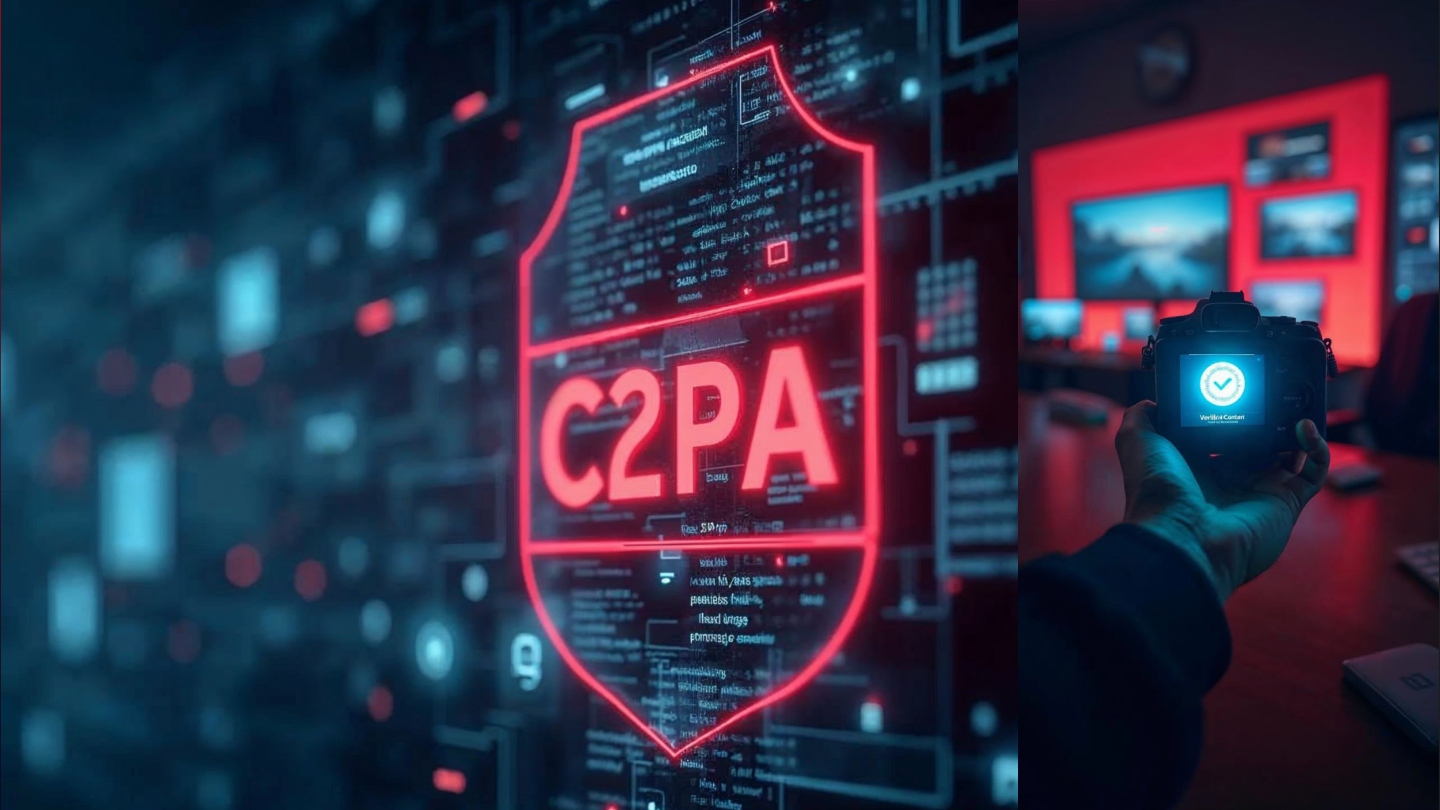
At IBC 2025, I joined a discussion with people from the BBC, EBU, and ITN about checking where media comes from. We talked about fingerprints, watermarks, and content credentials—and how they can help people trust what they see.
Read the IBC sessionEvent photography: IBC, September 2025.